Hunny Bummy: The Cutest Display Font for Crafters
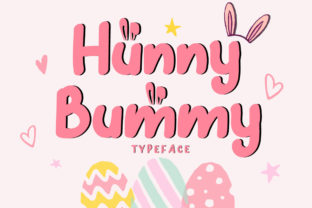
If you create handmade products, printable designs, or custom labels, you know that the right font can completely transform a project. Hunny Bummy is one of those rare typefaces that feels like it was made for makers. It’s a charming display font with a playful personality and a secret weapon: an alternated version that adds adorable bunny ears to certain letters. The regular style and the bunny-ear style work together effortlessly, giving you endless ways to add personality to your work without ever feeling overdone.
I first stumbled across Hunny Bummy while searching for a font that could make my spring market booth labels feel fresh and whimsical without being too childish. The regular letters are rounded, friendly, and full of warmth, while the alternated bunny-ear characters add just the right amount of surprise. I’ve since used it on everything from candle labels to birthday party invitations, and it consistently makes my products look more polished, more intentional, and more memorable to customers.
A Font That Adds Whimsy to Every Project
Hunny Bummy has a soft, approachable look that straddles the line between playful and elegant. The letters have a gentle bounce and a hand-drawn quality that feels organic, not stiff. This makes it a standout choice for creators who want their work to feel personal and warm. The regular style is clean and highly readable for a display font, while the alternated bunny-ear version brings a touch of storybook magic. You can mix and match the two styles within a single word or phrase, creating a unique rhythm that catches the eye and makes people smile.
What I love most is how versatile it is. It’s undeniably cute, but it’s not limited to baby showers or Easter crafts. With the right color palette and pairing, Hunny Bummy works beautifully on farmhouse-style signs, boutique clothing tags, and even modern wedding stationery. The bunny ears are a delightful twist, but you’re never forced to use them. The regular style stands on its own as a solid, friendly display font that adds personality to any project.
Crafting with Hunny Bummy: Labels, Cards, and Gifts
Handmade labels are one of the easiest ways to elevate your product presentation. Whether you sell candles, soaps, baked goods, or bath salts, a label set in Hunny Bummy signals to customers that your items are crafted with care. I’ve used it on honey jar labels (the name “Hunny Bummy” feels like destiny there), and the combination of the regular letters with a single bunny-ear initial letter creates a logo-like effect that’s hard to achieve with ordinary fonts. For small-batch jam labels or spice jar tags, the font adds a homemade charm that feels intentional and professional.
Greeting cards and gift tags are another natural fit. The alternated bunny-ear style is perfect for “Happy Birthday,” “Hello Spring,” or “Thank You” headers. I’ll often set the first letter of a sentiment in the bunny style and the rest in the regular style, and it instantly looks like a custom design. For Mother’s Day cards, baby shower invitations, or even just a simple “Thinking of You” note, Hunny Bummy brings a warmth that makes the recipient feel special before they even read the inside message.
Designing Stickers and Decals That Sell
Sticker makers, this font is a dream. Rounded, friendly letterforms are naturally suited to die-cut stickers and kiss-cut sheets. The clean lines of Hunny Bummy’s regular style cut beautifully on both Cricut and Silhouette machines, and the bunny-ear alternates add a whimsical touch that customers love. I’ve created sticker packs with phrases like “You’re so sweet,” “Little bunny,” and “Hoppy days,” and they consistently sell out at spring markets. The font’s personality does a lot of the heavy lifting—people are drawn to it before they even read the words.
When designing stickers, I recommend keeping the phrase short. Two to four words work best, allowing the bunny-ear details to shine without overwhelming the design. I also like to offset the regular style with a slightly bolder stroke for the alternated letters, which creates a subtle hierarchy. This font plays well with hand-drawn illustrations, watercolor backgrounds, and simple floral motifs, making it a strong foundation for cohesive sticker collections.
Creating Invitations and Stationery That Stand Out
Invitation designers know that the font choice sets the tone for the entire event. Hunny Bummy brings a sense of joy and anticipation to party invitations, bridal shower invites, and save-the-dates. For a garden-themed wedding welcome sign, I paired the regular style of Hunny Bummy with a delicate script font for the couple’s names, and the result was romantic and fresh. The bunny-ear alternates can be used sparingly on decorative elements like the ampersand or a key date, adding a hint of whimsy without distracting from the elegance.
For children’s birthday invitations, I’ll go bolder with the bunny ears, using them on every available letter for a playful, confetti-like feel. The font is also perfect for DIY party favor tags, place cards, and menu headers. Because it’s so readable, even guests who aren’t designers will notice the thoughtful typography. It’s a simple way to make your stationery feel custom and high-end, even if you’re printing at home.
Printable Wall Art and Home Decor Ideas
Printable wall art is a huge market for small shop owners, and Hunny Bummy fills a specific niche that’s often missing: cute but not cartoonish. I’ve created nursery prints with sweet animal sayings, kitchen art with baking puns, and seasonal mantel signs that say “Hello Spring” or “Welcome to our cozy home.” The font’s rounded shapes feel soft and inviting, perfect for spaces where you want to create a sense of comfort.
When designing printables, I love using the bunny-ear alternates on the first and last letters of a word to create a symmetrical frame. For a farmhouse-style sign that says “Fresh Eggs,” the regular letters look clean and rustic, while the bunny ears on the “F” and “S” add a charming detail that makes the piece feel hand-painted. This font translates beautifully to canvas prints, wooden signs, and even iron-on designs for pillows and tote bags.
Product Packaging That Tells a Story
For small business owners, packaging is often the first physical interaction a customer has with your brand. Hunny Bummy helps you tell a story from the moment someone picks up your product. On a kraft paper box, the regular style looks warm and earthy. On a clear cellophane bag, the bunny ears add a delightful surprise when the package is turned to the light. I’ve used it on hang tags for hand-knitted baby booties, on belly bands for soap bars, and on the top label of candle tins. In each case, the font makes the product feel more valuable and more thoughtfully made.
Consistency is key for brand recognition. If you use Hunny Bummy across your product line—on your website banner, your social media graphics, and your physical packaging—you create a cohesive visual identity that customers start to trust. The font’s unique blend of cute and clean means it won’t clash with a more modern logo or a minimalist color scheme. It’s flexible enough to be a signature element of your brand without boxing you into a single aesthetic.
Readability and Machine Cutting Tips
Hunny Bummy is a display font, which means it’s designed to shine at larger sizes on short phrases, titles, and decorative elements. It’s not meant for long paragraphs of body text, but that’s rarely a concern for crafters. What matters most is how it performs when you’re weeding vinyl, cutting cardstock, or printing on textured paper. I’ve found that the regular style cuts cleanly at sizes as small as 0.5 inches for simple words, but I recommend sizing up to at least 1 inch when using the bunny-ear alternates to ensure the delicate ear shapes don’t tear during weeding.
For stickers and small labels, test a sample cut before committing to a full sheet. The alternated letters with bunny ears have slightly more intricate contours, so a slower cut speed and a sharp blade make a big difference. On printed cards and mockup previews, the font remains crisp and legible, even when paired with a busy background. I always recommend checking your mockups at 100% zoom to ensure the details are clear.
Font Pairings That Make Hunny Bummy Shine
One of the best ways to elevate Hunny Bummy is through thoughtful font pairing. Because it’s a playful display font, it pairs beautifully with clean, simple typefaces that give it room to breathe. I often set the main word or name in Hunny Bummy and use a light sans serif font for the supporting text. For example, a birthday banner might read “Happy Birthday” in Hunny Bummy with the date and location in a modern sans serif. This creates a balanced, professional look that’s easy to read.
If you want to lean into elegance, pair the regular style with a delicate script font or a handwritten font for a romantic, handcrafted feel. For a bolder contrast, a simple serif font acts as a grounding anchor, letting the bunny-ear details sparkle. Experiment with mixing the two Hunny Bummy styles within the same phrase—use the alternated version for the first letter and the regular style for the rest, or alternate letters for a whimsical pattern. The font’s built-in versatility means you can create dozens of looks from a single typeface.
Licensing and Commercial Use for Makers
For anyone selling physical products, digital downloads, or client work, commercial font licensing is non-negotiable. Hunny Bummy is a premium font, and you’ll want to confirm that the license covers your specific use case. Most crafters need a license that allows for creating and selling physical items like mugs, shirts, tote bags, and signs, as well as digital products like printable wall art, SVG designs, and templates. Always read the license terms carefully to ensure you can use the font on merchandise, in logos, and on products you sell to customers.
I’ve learned to keep a copy of the license file with my design assets, so I’m always ready if a client asks about usage rights. It’s a small step that protects your business and shows professionalism. The font’s file format usually includes OTF or TTF files, and it’s worth checking if the alternates and bunny-ear characters are accessible through a glyphs panel or as a separate style, so you can maximize your creative options in design software like Adobe Illustrator, Silhouette Studio, or Cricut Design Space.
Hunny Bummy has become a staple in my design toolkit because it solves a real problem for makers: it’s cute without being overly trendy, readable without being boring, and flexible enough to work across dozens of product types. It brings a smile to my face every time I use it, and I’ve seen that same reaction from customers who pause at my booth, drawn in by a label or a card that just feels good. If you’re building a brand identity around warmth, approachability, and a touch of magic, this font is a smart investment.